Martina's partner's abandonment
The Unlikely Pilgrimage of Harold FryMartina's partner's abandonment is the defining wound of the woman who becomes one of Harold Fry's most significant companions on his pilgrimage. The event, which occurred after the couple had moved to England for the man to find better work, is revealed in a single devastating conversation that forces Harold to reconfigure his entire understanding of his hostess. It is a story of sudden, inexplicable loss that mirrors the larger themes of the novel: the fragility of ordinary life, the agony of waiting for someone who will never return, and the quiet courage required to keep living in the face of abandonment.
The Revelation of the Abandonment
The full story emerges one evening as Harold and Martina eat together, after she has nursed him back to health following his collapse on the road. When Harold apologizes for not having met her partner, Martina's response is stark and final: "He isn't coming back." The shock hits Harold like a blow, and he is suddenly forced to reconfigure his idea of Martina and her life, the abruptness of which seems brutal. When he presses for an explanation, her face buckles and she pushes aside her plate, though she has not finished eating. She confesses that she does not know where her partner is, and when Harold asks how she can not know, she asks bitterly whether he thinks she is "fucking crazy." Harold, who has met so many strangers on his journey and judged none of them strange, considers his own outwardly ordinary life with its hidden darkness and trouble, and tells her he does not think she is crazy. He offers his hand, and she studies it a moment as if a hand were something she had not considered holding before, before her fingers touch his.
The Day Everything Changed
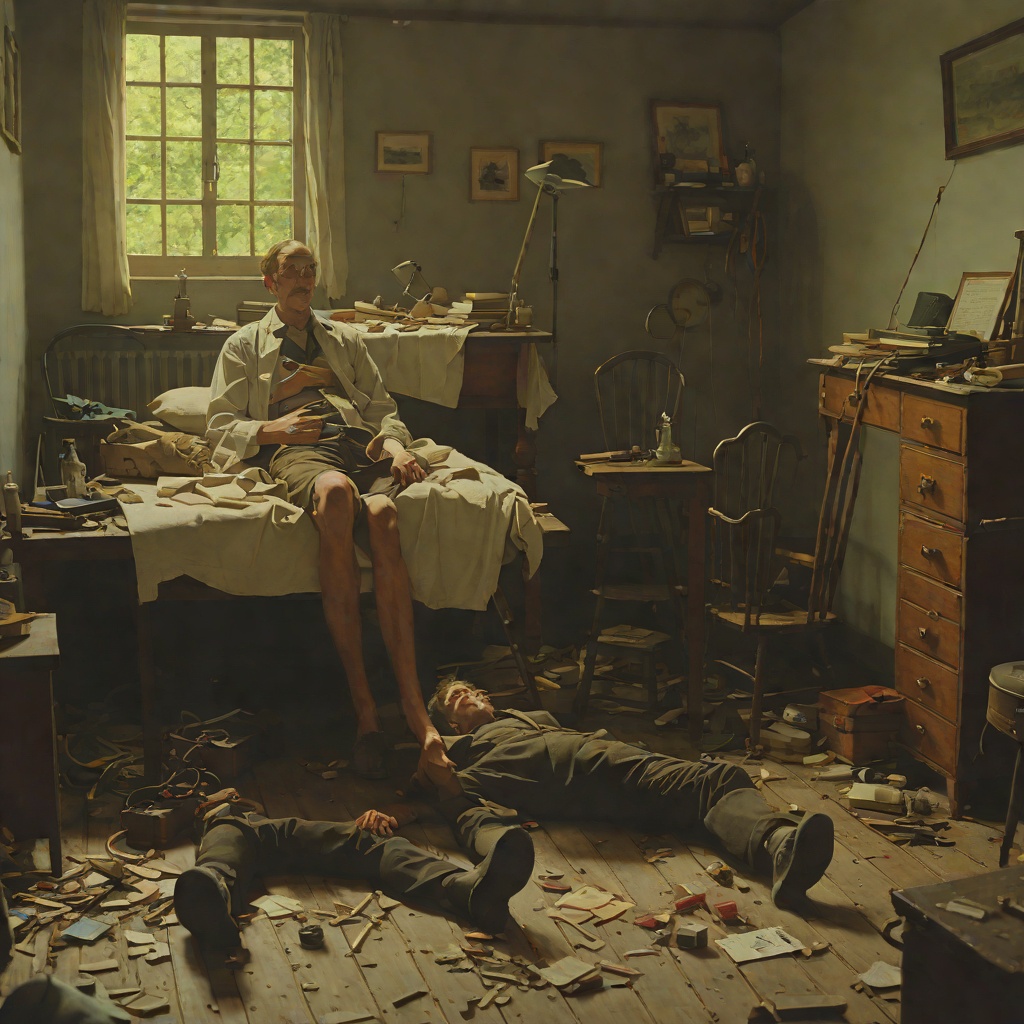
Martina then tells the story of the day her life collapsed. The couple had come to England so that her partner could get better work, and had been there only a few months. Then one Saturday, a woman turned up with two suitcases and a baby, announcing that he had a child. Martina had known nothing of the other woman or the child. When her partner came back, she thought he was going to boot them out, so certain was she of his love. But he did not. He picked up his baby, and it was like seeing a man she did not know. Martina said she was going for a walk, and when she returned, they had gone. He left all his things: his dog, his gardening tools, even the new boots he loved because he loved walking. Every day she wakes up and thinks, today is the one he will come back, and every day he does not. Her skin is so pale the veins on her eyelids are visible as she speaks.
The Weight of Waiting
In the silence that follows her words, Harold is struck afresh by how life can change in an instant. A person can be doing something so everyday—walking a partner's dog, putting on shoes—without knowing that everything they wanted is about to be lost. When Harold offers the hopeful thought that her partner might come back, Martina insists he will not, and confesses that she is waiting for something that will never happen. She sits, not moving, thinking of the past, and Harold knows that his own faith, such as it is, is a fragile thing. He clears their plates, rinses the pans, gives the leftover scraps to the dog, and thinks of Martina waiting for a man who will not return, and of his own wife scrubbing away at stains he cannot see. He feels in a strange way that he understands better, and wishes he could tell Maureen that.
The Gifts of the Abandoned
Later, as Harold packs his plastic bag in his room, Martina comes to his door bearing the material legacy of her lost partner. She hands him two pairs of walking socks and a roll of blue duct tape, hooks an empty rucksack over his wrist, and places a brass compass in his palm—all things that had belonged to the man who left her. When Harold tries to refuse, she plants a soft kiss on his cheek and tells him to go well, owing her nothing for the room, for he was her guest. The compass is warm and heavy in his hand. Harold leaves with the first light, propping a postcard of thanks against his pillow, and pats her partner's dog at the foot of the stairs. He closes the door quietly, not wishing to wake her, though she watches from her bathroom window with her face pressed to the glass. He does not look back or wave, but catches her profile and steps boldly on, wondering if she is worrying about his blisters or his yachting shoes, and wishing he were not leaving her alone with only a dog and some boots. It had been hard being her guest, hard to understand a little and then walk away.
The Legacy of Loss
Martina's abandonment resonates far beyond her own story, connecting to the novel's deepest concerns with loss, waiting, and the courage to give. Her partner's possessions—the compass, the rucksack, the socks, the duct tape—become instruments of Harold's own pilgrimage, tools that carry him forward even as they carry the memory of the man who left them behind. The brass compass, warm and heavy in his hand, guides him northward on his walk to Berwick, and he keeps it and the rucksack even when he renounces his other possessions, because they are not his to give away. Martina's story of waiting for someone who will never return echoes Harold's own long years of estrangement from Maureen, and her quiet endurance becomes a model of the ordinary courage the novel celebrates. In the end, her abandonment is not merely a sad backstory but a gift: it teaches Harold something about receiving as well as giving, about the humility and courage required to accept comfort and shelter, and about the strange fellowship of those who have lost everything and keep walking anyway.